
Ahh the title was perfect if only Frost’s middle name was “Sinclar “and not “Lee”. Still, “The Post Not Taken” might be
I shall be telling this with a sigh
Robert Frost
Somewhere ages and ages hence:
Two posts diverged in my reader, and I—
I took the one less professed by,
And that has made all the difference.
Of course we can have many divergent ideas by about “the state of the web” — that’s what spaces are made for where thoughts are posted out as stuff we can ready and better when written usin hyperlinked affordances. I have to raise one of more eyebrows at therony of what the non-algorithmic listing in my RSS feed reader could not be more path splits in the web woods:

From the All Seeing/Knowing Divine Perspective of Declaring the Web “died years ago as Freely Available Cross-linked Sources”
It has been written, it is done?
The web is dead because there isn’t much free to link to anymore.
https://mikecaulfield.substack.com/p/search-sucks-because-the-web-as-a
No need to bring out your dead, Mike Caulfield has performed the post mortem medical evaluation of the web corpse and issued the death certificate. You see, I read Mike’s posts Substack things regularly in my RSS reader (also long commonly decreed amongst the non-living). From my reading of this post I starting drafting a comment, which I have done time to time in the’ stack and many years in his [dead] blog (last breath this year, but has been sputtering out since being last being lively in 2022). I deleted before sending as Mike has made it footnotedly clear that he does not want responses from people who do not issue praise, lest he be “bummed out.”
Talk about being bummed out? I’ve known of and followed Mike’s writings from the decades gone peak of blogging, Way way back in 2011 he got me a speaking gig at Keene State College (hmm alive and freely available hyperlinked documents). I climbed aboard and rode in 2014 the fedwiki train with not only Mike, but got to have be part of regular real conversations with The Original Wiki Maker Ward Cunningham — I was there for the FedWikiHappening, do not take my word for it, too bad about the dead web (also curious how dead web hapgood.us has dismantled it’s own search box, but since I know something of its engine, I link searched a fleet of not so dead FedWiki posts for you).
Hmmm what are all those blue text underline things doing in my writing?
In mid October 2014 I was driving from Arizona to Kamloops BC for a fellowship at Thompson Rivers University where my route took me to visiting friends in Eugene, Oregon than Portland. I had emailed Mike and he offered a home cooked meal and overnight stay at his home in Vancouver (the Washington State version). My whole travel route was blogumented (cough, freely available cross linked to sources), so my blog knows I met him at a Starbucks after his UW workday, followed him home for a meal he cooked (not blogged but I remember he made something cooked sous vide), that he had a bird named Derp.
I have not communicated at all with Mike since then, we both are I guess on divergent paths that cannot possible connect or link in any way. He last commented here in my blog in 2017 alas, if only hyperlinked freely available content have not withered on the web vine.
But let’s get back to the path Mike is ‘stacking on. And he would respond I know with something along the lines of missing his point that he said there isn’t “much free to link to anymore” and my decrepit [link filled][free] corner of the web is consequential.
The question is how can any person make such a definitive, god-like decree that the web has no more linked free information? I guess Mike has been busy reading every single shred of the web. I guess people who try to count these things indicate there are over 1.5 billion web sites yet only 200 million are active . So to asses the deadness and lack of living webness, you only have to read the content of 200 million web sites. And so I am sure Mike has reached the end of the internet and has gotten that download progress bar across the screen.
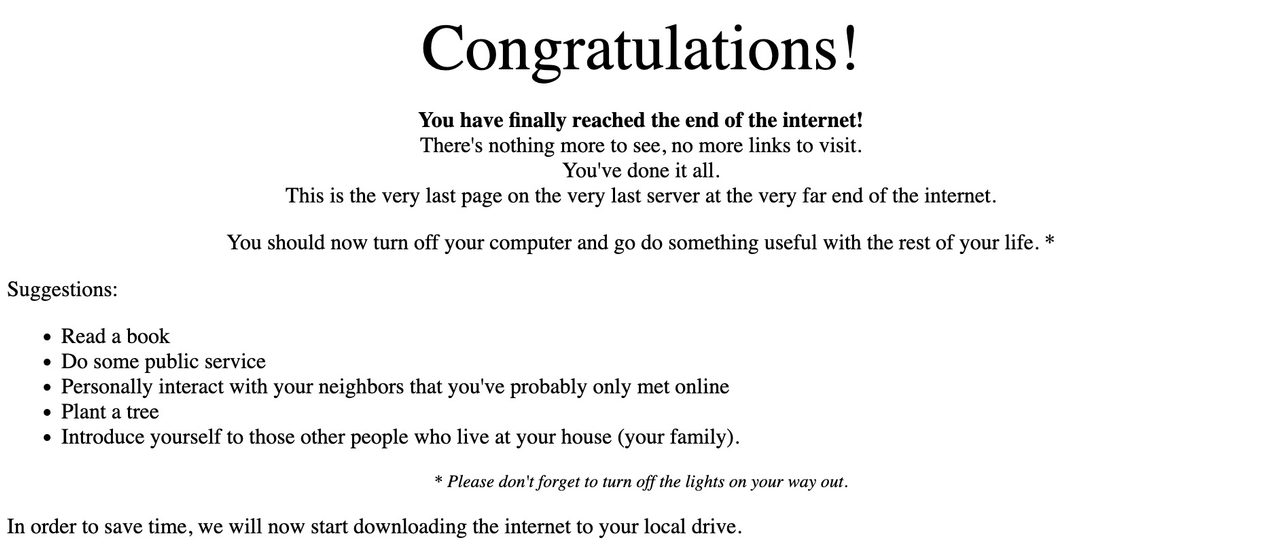
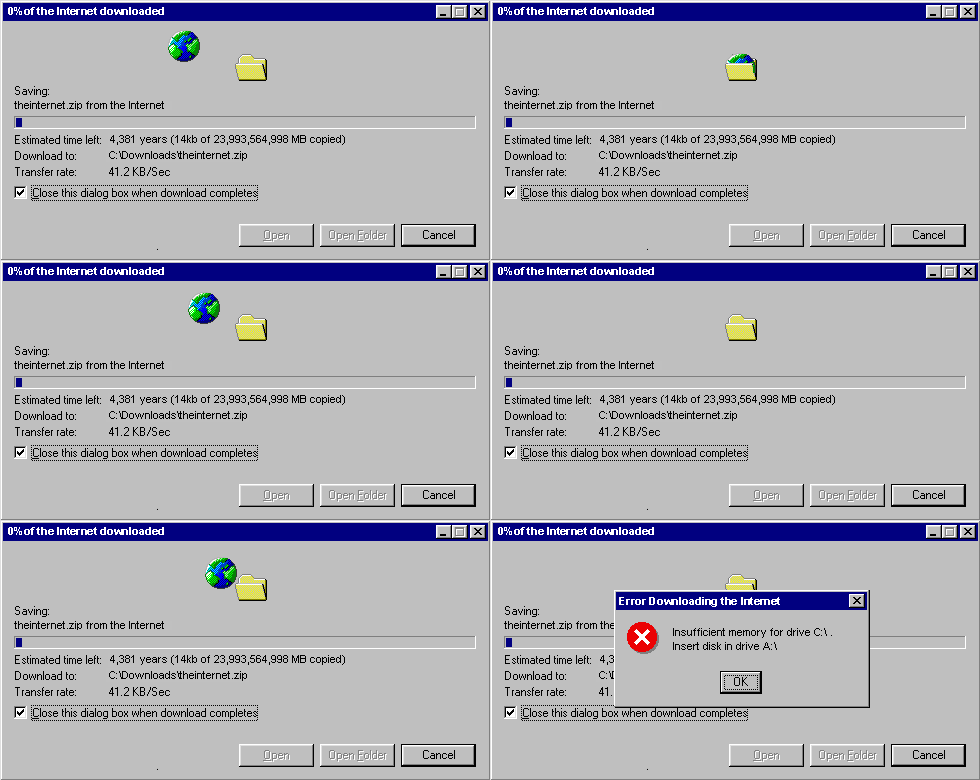
Apparently I have been using some outdated version of the internet different from Mikes. But let’s get to it- Mike’s argument of web search being dead (and by extension, err. extraction, LLMs death too) wrests on his observation that the BBC’s web content is hidden now behind a paywall.
Yes, that’s the Beeb blocking access to articles without a subscription. And of course it’s not just them, it’s everyone. It’s CNN, it’s Slate, it may soon be Reuters.
https://mikecaulfield.substack.com/p/search-sucks-because-the-web-as-a
Not only that, Mike, what about the Washington Post, the New York Times, and actually many local “news” sites. Don;t take our word for it, I somehow managed (again using the old/wrong/dead web) to search on newspaper paywalls (and I even had a typo on the second word plopped into Google search) and somehow I got a link to a 2026 Harvard Kennedy School paper on Newspaper paywalls published freely.
Mike was prescient as I saw this week by clicking on a shared link that Reuters has slipped behind The $Wall

This is not the world wide web I was clicking for.

Don’t get me wrong. I loathe paywalls as much as the next person. I refuse to share links to them, and I regularly use the shakey and nebulous ladders to jump the paywalls. I believer in helping others jump too.
Also, Mike is much smarter that some guy who writes books and regularly / frequently / long form-ly shares his proliferous thoughts freely in linked format that Mike said is stone cold dead.
It’s not “enshittification” or whatever word people are currently using that gives them their little taboo thrill to say. It’s simpler than that, and at the same time less fixable. Early on the idea was you wouldn’t make a profit on web information. Later the idea was that you’d make your profit on eyeballs on text ads. This worked, mostly, while the internet was an additional revenue stream for outlets getting most of their revenue from somewhere else. As that changed, publishers went to subscription models. Blogs became substacks. Papers gave you five free articles a month, then three, then one, then none. Instant paywall.
ironic emphasis added by me to https://mikecaulfield.substack.com/p/search-sucks-because-the-web-as-a
Mike, cough? https://mikecaulfield.substack.com vs https://hapgood.us ??
But Mike is much smarter than me, all those hours in the basement with his Claude pal, in that somehow he has conflated the entirety of the web as a city with it’s mega-malls and completely disowning all the web homes, neighborhoods, local businesses that are lost in the shine of the BBC-like mega malls (yes I am milking my own metaphor to its own death) (WTF is it with all these blue underlined links?)
Buried in Mike’s quote there is really the orange herring- the web is supposed to be something that generates money (?) The fix he comes to is:
Fixing that will require that people get past the lure of easy villains and wrestle honestly with the problem of how to get people paid for writing without breaking the webbiness of the web.
https://mikecaulfield.substack.com/p/search-sucks-because-the-web-as-a
Does a living/breathing/linking web only get there by people getting paid to write for it? Is that really why the wizards stayed up past bed time? Was not there some hyphenated named guy who wrote:
The dream behind the Web is of a common information space in which we communicate by sharing information. Its universality is essential: the fact that a hypertext link can point to anything, be it personal, local or global, be it draft or highly polished.
https://www.w3.org/People/Berners-Lee/ShortHistory.html
Woah, that was long, but I needed to set all this up. Now, let’s flip to the other path differing in the woods, to a blog post by Jim Groom.
The Bava Preaches on the Year the Independent Web Broke
Just to make my case that the web one person sees and describes is nearly always different from someone else, and few blog it better (NOT a newsletter but blog in the GOAT tradition than Jim Groom still pounding away at the keyboard over at Bavatuesdays or as his bent is lately, his Trento store front Bavastudio which he describes as a physical manifestation of his blog.
I’ve already established this about Jim:
The proof is there in Jim’s post that for me was RSS reader adjacent to Mike Caulfied’s web euloogy. He starts with a concept I tease (in the comments) about being more than blogging about blogging but Blogging About What Jim Will Soon Blog About. But that’s just the opening, all flows from a web link that his colleague Adam Croom sent to Spelunker a “site [that] poses like cable tv with a tv guide and plays syndicated television from archive.org.”
Okay, hold the dead web bus. There is a link to freely available media designed in a retro-tv format as a front end for other (linked) content at the Internet Archive? Ain’t this dead, Mike?
And all this rolls out as a wild shared ride Jim describes in paragraphs of content linked to sources as weaves a path through videos of retro computers and then into his some of his adoration of punk music leaping over to Jim’s also love of film (which ironically he shares with Mike doing the Couch to 4K podccast together, see how all the connections fall back on themselves?). But Jim pulls it all together:
Maybe the most interesting thing about this little trip down the rabbit hole is that it started with spelunkering through a reimagining of cable TV using videos from the Internet Archive. That led to Jim Butterfield, Minor Threat, Fugazi, and a whole lot of thinking about what it means to remain independent in a world where everything seems to have a price tag attached to it.
The irony is that the very infrastructure that made all these discoveries possible is increasingly under threat, and we’ve been more than willing to help dismantle it. The Internet Archive, personal blogs, Mastodon, people sharing shit because they think it’s cool rather than because there’s a business model behind it. These are the things that make the web worth a damn, and none of them require an exit strategy.
Maybe that’s what I take away from MacKaye and Fugazi all these years later. It’s not that you can’t make money or be successful, it’s that you don’t have to sell the thing you built and love to prove it was worth building in the first place.
Emphasis added by me to quote from https://bavatuesdays.com/the-year-the-independent-web-broke/
See how divergent these posts are?
The Web I See Everyday
I have spent a good chunk of blog real-estate calling Mike’s idea that because of paywalls the web is dead. I am not here to make any claim of his being wrong or me being right, and I acknowledge right away that I am counting on someone to poke holes in my arguments. I revel in being wrong. It’s more fun that taking the highest ground.
What I do rest on is my own experience. I am on the web hours most eery day with work but also my own curiosity chasing, finding obscure details, than the glory of rabbit holing into places on the web that still make me say “wow” as it first did in 1992.
The strangest thing is Mike claiming that news site paywalls are the end of search and the web itself seems a bit, well, off filter coming from the guy who developed and championed for so long the Four Moves and SIFT to sorting through internet information,. used and referenced in so many places (like if web search is so bad, why do I get so many things with a simple search on caulfied sift four moves??).
I have made it my regular action to grab I (Investigate the Source) and F. (Find better coverage) with the method I learned from Mike, follow the information links upstream. Has he foresaken this? It’s as if he is saying we just need to take as the “answer” what is written up in a Big News Site or spat out from an LLM vending machine.
I am always digging my way back and up and around what a search result or a social media boost provides. My favorite practice is after following a link to say an interesting post or interactive gizmo is I am always curious who and what else is at the top of the domain.
For a small example, in August I followed a mastodon link to a fascinating interactive explanation of the algorithm that controls elevators, It’s quite wonderful. But the author mentions that elevators run an an algorithm called SCAN, but its not linked. So I jump quickly to a web search and a top link is to a Wikipedia article on SCAN which itself has outgoing links to its history as a classic computer programming problem at CalTech.
I’m hardly done, my mind goes to what else is there of interest on the web site I found the elevator thing, so I am at the top of https://john.fun finding all kinds of goodies like The Captcha Game. THEN my mind goes to wondering is john.fun related to neal.fun?
I just wonder if the bulk of web users have gotten so weaned to what is provided as links in social media algorithms or what an search AL summary hands back that the basic art and joy (to me) of self navigation/exploration of the web is passé.
Almost every day I use web search multiple times, and I gotta say, while Google ain’t what it once was, it delivers, it just takes more than dodging Gemini summaries, no in fact I scan them, but the real work, and the real discoveries happen when you put those old Four Moves into motion.
Well here are a few more of my own experience stories that tell me, the web is not only dead, there is more to it than is given credit for, with some kind oc massive amnesia about the Long Tail.
Who Was Agnes Pockels?
In some online presentations at two Open Education conferences last month I forget, there was some panel discussion about systemic change (maybe I admit being fuzzy on the sessions I am thinking it was a reference to the great work Open at the Margins). Regardless, my mind went back to my days of Geology and Physics and the idea that in natural systems, quite often energy and change happened at the surface boundaries between different systems or materials. Stuff related to phase change.
I was trying to find the name for the phenomena maybe with a search on something like “name for how natural systems change at boundaries” – the search summary suggested Surface Science sending me to its wikipedia article. Indeed the open definition confirmed I was in the proximity of more, but it was the next section in History that lit my curiosity:
The field of surface chemistry started with a woman named Agnes Pockels,[3][4] who pioneered the study of surface tension and created the Pockels slide trough,[5][6] basis for the Langmuir-Blodgett trough[7] despite being denied access to academic laboratories multiple times.
https://en.wikipedia.org/wiki/Surface_science#History
Right there is the smell of a great story- who was Agnes Pockels and why was she denied access to academic laboratories? It’s but one hop from Wikipedia to a fascinating story about Agnes Pockels on a web page at Braunschweig Technical University. I leave it as an exercise to the reader, but in many ways a housewife curious about soap bubbles is credited by many as being the founder of the field of surface science. This university has a laboratory named after her fully devoted to activities and programs that stimulate interest in science at the K-12 level.
Tell me again how “search sucks because the web as a set as freely available cross-linked sources died years ago”.
Micra Multitool and its PATS PENDING
Last week on vacation I found in the bottom of my old day pack a Leatherman Micra Multitool I know I had for a loooooong time. As I do, I thought it was a fun photo to share, and only after looking at the photo I noticed the engraved text PATS PENDING

I made an offhand joke to my wife wondering if they every got their patent… and then that little tickling voice in my head said, “look it up” and off I was down the holes with a search on leatherman micra patent. The GenAI summary leaned on two sources. one a post at an outdoor dudes blog Three Points of a Compass with a review of this device. The dude is pretty critical, but the only piece of even closely relevant information was his stating it first came out in 1996 (this is a whol other blog post about the false illusion that the web site links Google slaps on their GenI search results are “sources” for the summary- I have much proff they are not).
The more helpful result was from a Leatherman subreddit post I own 2 Micra. This one have Pats Pending stamp. When did the Pats Pending stamp stop being issued. Any way of knowing the age of this? (and yes, reddit will soon be behind a login wall). But it offered an interesting clue thst inside the bodt of the microtool was a date/year stamp indicating when it was manufactured. This sent me outside twice with a flashlight to get the knife from the truck and try to find the tell tale timestamp (I failed).
The Google Ai summary about the Leatherman micra sent me to the Wikipedia article about the company (I mever new Leatherman was a person’s name) and there was no year indicating if the Micra every got a patent, just the 1980 patent info for the first multitool prototype they made (that is a loooooon read). I was a little curious about this first prototype called the Pocket Survival Tool (PST) leading me to a dead link on the Leatherman site but which I did locate in the Internet Archive. Not much of interest there, but the “Our Story” link caught my eye thinking that the archived web page version would have an interesting way of telling their story just basic text but much personality, opening with the Oregon spirit of “getting things done” and wrapping with a great statement to pair “Leave nothing undone.”
I will say the current web site’s story page is richer in photos and drawings, both current and old to me are appealing.
How is this relevant? I never found much about the age of my own Leatherman Micro (it’s just old, you can tell from how dirty it is inside), but of the information and stories I found quickly from that broken and dead web search and the abundance of freely available cross-linked pages.
Tell me again how “search sucks because the web as a set as freely available cross-linked sources died years ago”.
Strange Link Sources for Strange Maps
This post from Project Gutenburg in my Mastodon feed had the right elements to draw my interest:

A Literary Map of the United States
Frank Jacobs takes a closer look at some of the imaginary places on the map, including Sleepy Hollow, Lake Wobegon, Brokeback Mountain, and F. Scott Fitzgerald’s East Egg and West Egg.
https://kottke.org/26/11/a-literary-map-of-the-united-states
Books about Literary Maps at PG:
https://www.gutenberg.org/ebooks/search/?query=literary+map
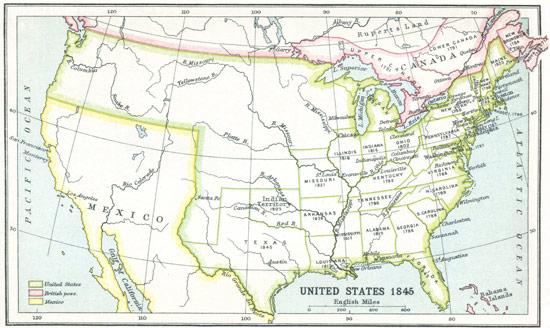
Now what happens so much in the socials is folks see stuff like that and think “that’s cool” I will repost/boost/reshare. Then they go on down the stream.
I nearly always try to at last click a little deeper t both say more contextually if I share, but then, to see what else I find at the source. In. this case I kind of question the reference link the Gutenburg folks used– a post by Jason Kotke. Now who am I to criticize a web legend, and actually I am not. Kotke shows why he is a legend, he goes into the site he shares, describes specific elements, and look, he reads and replies to his own content.
Is this the best resource about Frank Jacobs and his map? Kotke’s first link is simply the place you can buy a print copy of the Literary Map and the second is to me a much much better reference link to a post Jabobs did on his map at the BigThink site. That curious thing happens at the bottom of the post where I read
Frank Jacobs has been writing about strange maps since 2006, published a book on the subject in 2009, and joined Big Think in 2010.
https://bigthink.com/strange-maps/american-literature-charted-in-one-monumental-map/
My brain goes if Frank has been writing about strange maps since 2006, four years before hitting it Big Time as a Big Think writer, my thought is- Frank started with a blog. What did it look like in the early days?
I do a web search for Strange Maps Blog and get that warm feeling noting there is no GenAI summary, just links to sift through. Old school! Let’s do some SIFTing.
I can see the first two links represent Franks work now at BigThink. The third link is someone else who used the same name. But the fiurth one smells right, its from 2012 and looks like it links to the old blog Frank Jacobs had.
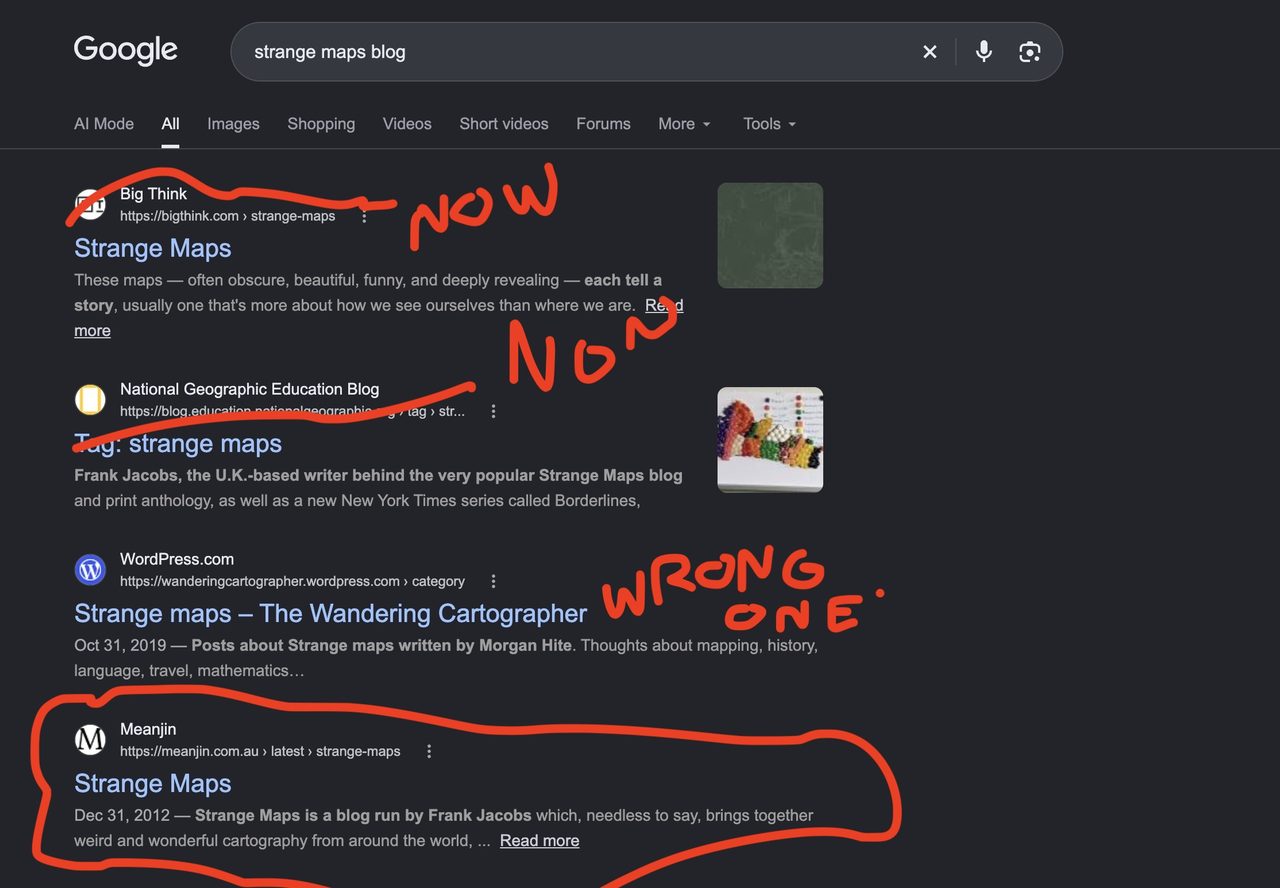
The Manjin site has the dreeaded subscription wall, but what I need is there in the first paragraph, a link to what clearly looks like what was Frank’s blog before he went to BigThink at https://strangemaps.wordpress.com/
Alas, following that links gets a WordPress dead end saying the blog is private. It’s easy to guess when Frank got the Big Job at Big Think he had to mothball his old site.
I’m not done. See I just made a little tool that gets me in one click to the oldest Internet Archive impression of a web site, so right away here I can read Frank’s Strange Maps blog from November, 2006, when he was just starting out, like this beauty map of Flash Gordon’s Planted Mongo
In fact, you an poke around in the Internet Archive for Franks blog in 2010, it looks like maybe he moved it briefly to his own domain strangemapsblog.com but that quickly became a redirect to where he is still published, 16 years later, at Big Think here https://bigthink.com/strange-maps/ I found bhis log posts going back to 2017, all of which are available without any pay meter.
This is one of many times I found articles or posts that really do not do hyperlinks at or or pretty few. There’s lots of “news” sites that do this to keep you from leaving. For me, when I am posting online I am always thinking about what is worth or should be hyperlinked, gauging what are good reference links. I can’t write for the web and not link, but I see all the time in colleagues and peer a lot of linkless web writing.
And I could have gone on and on with these examples. I see that web every day, I search and travel through freely by links.
A bit a attribute to having started writing web content in 1993 and for so many years it was all done by hand editing HTML. Links sewn by hand make me always thinking of linking. Otherwise its a webless web.
And one more time, my little forays chasing down the original blog of Frank Jacobs, and how often I lean on the Internet Archive as a link rich and invaluable multitool, makes me say one more time — Tell me again how “search sucks because the web as a set as freely available cross-linked sources died years ago”. cause I am it every day.
Again, the path in the web woods I will stay in is where Jim Groom treads, and his statement again is worth tatooing on your web soul “It’s not that you can’t make money or be successful, it’s that you don’t have to sell the thing you built and love to prove it was worth building in the first place.”
That’s my web. Yours might be different.
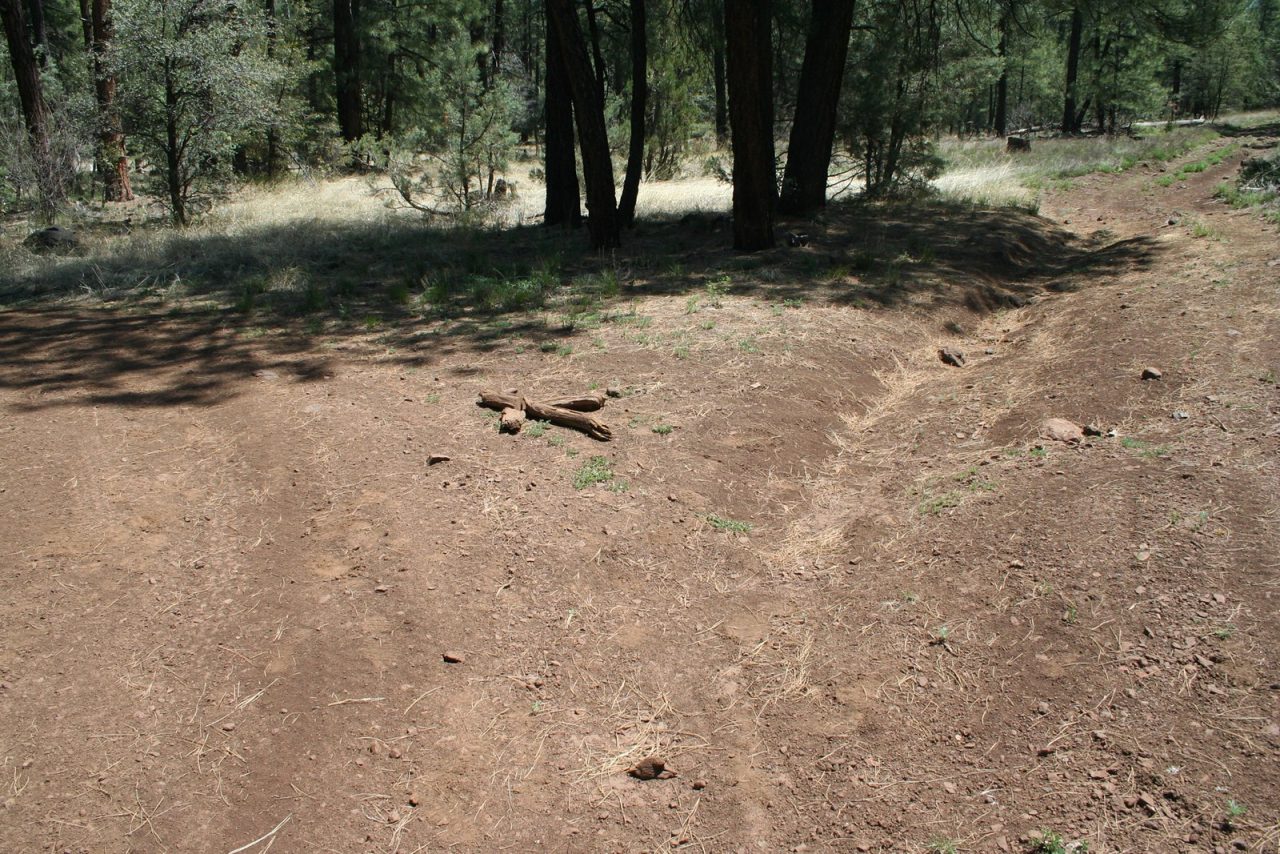
Featured Image: Frosty Choice flickr photo by cogdogblog shared into the public domain using Creative Commons Public Domain Dedication (CC0)
 Share this barking on social media
@barking you’re gonna make me leave a blog-length comment, aren’t you? Now that’s a blog post!
Remote Reply
Original Comment URL
Your Profile
Why do I need to enter my profile?
This site is part of the ⁂ open social web, a network of interconnected social platforms (like Mastodon, Pixelfed, Friendica, and others). Unlike centralized social media, your account lives on a platform of your choice, and you can interact with people across different platforms.
By entering your profile, we can send you to your account where you can complete this action.